Bariatric Gelatin Jello is a simple, gentle treat that can play a helpful role in post-bariatric eating plans, offering hydration, mild flavor, and an easy-to-chew texture that many people find comforting after surgery.
why make this recipe
This Bariatric Gelatin Jello recipe is designed to be accessible, low-effort, and adaptable for people recovering from bariatric surgery or anyone who needs soft, easy-to-digest foods. Gelatin sets quickly, is easy to portion, and can be flavored to taste without adding a lot of sugar or fat. For people in early post-op stages, texture and portion control matter more than complex flavor combinations. A soft, lightly flavored gelatin offers hydration, a predictable mouthfeel, and a way to enjoy small, consistent bites.
Beyond recovery, this recipe is useful as a low-calorie snack, a base for layering with soft fruit or yogurt (when allowed), or as a gentle option for anyone with dental issues or swallowing sensitivities. Because it’s easy to scale and modify, caregivers and cooks can tailor it to individual needs—making it a handy staple in the fridge.
how to make Bariatric Gelatin Jello
This section shows the straightforward steps to make Bariatric Gelatin Jello. The method emphasizes gentle heating and full dissolution of the gelatin, which helps produce a smooth, consistent texture that’s pleasant and easy to swallow.

Ingredients :
1 cup fruit juice (e.g., apple, cranberry, or grape), 1 tablespoon powdered gelatin or beef gelatin, 1 tablespoon sweetener (optional, adjust to taste)
Directions :
- In a small saucepan, heat the fruit juice over medium heat until it is warm but not boiling.
- Remove from heat and sprinkle the gelatin over the juice. Stir until the gelatin is fully dissolved.
- If using a sweetener, add it and mix well.
- Pour the mixture into a mold or dish and refrigerate until set, about 2-4 hours.
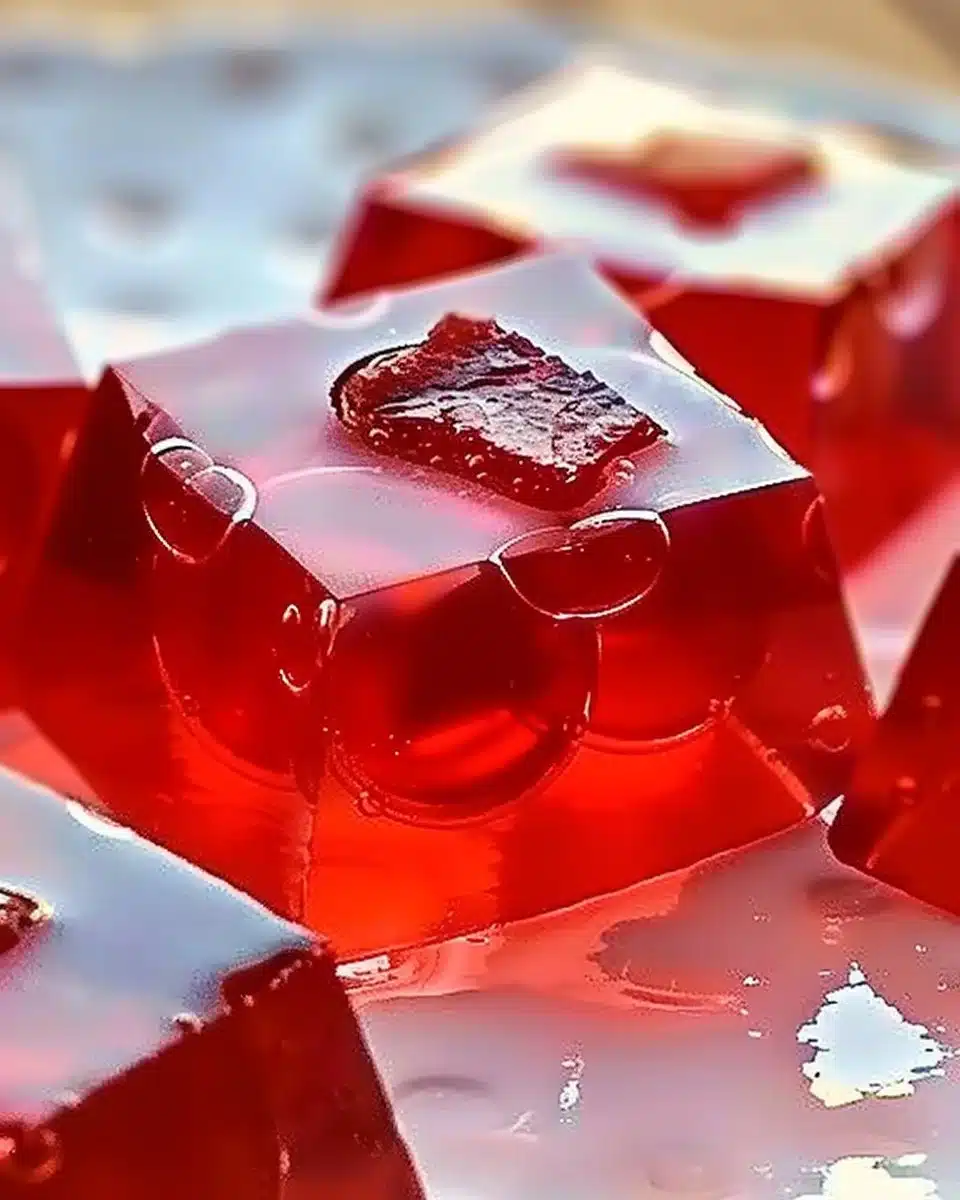
- Once set, cut into cubes or serve as desired.
Ingredient notes
- Fruit juice: Choose 100% juice or a low-sugar variety depending on dietary needs. Apple, cranberry, and grape juices are classic choices; cranberry tends to be tarter and grape sweeter. For lower sugar, dilute juice with water or use a no-sugar-added juice.
- Powdered gelatin vs. beef gelatin: Powdered gelatin sets the dessert the same way whether it’s animal-derived or a labeled beef gelatin. If you use a labeled beef gelatin, you’ll get more protein per serving; this can help add modest protein to the final dish.
- Sweetener: The optional tablespoon of sweetener can be sugar, honey, maple syrup, or a calorie-free sweetener. For post-bariatric diets, many people prefer non-nutritive sweeteners or small amounts of natural sweeteners to keep carbs low.
- Substitutions: If you need a vegetarian or vegan alternative, use agar-agar—but note agar sets differently and often requires boiling and different ratios. If you want a savory gelatin (for later-stage post-op recipes), swap fruit juice for low-sodium broth and omit sweetener.
Pro Tips for Success Bariatric Gelatin Jello
- Bloom gelatin if needed: If your gelatin brand recommends blooming (sprinkling on cold liquid and letting it sit for a few minutes), follow that step first for a smoother texture. Blooming helps gelatin hydrate before it is dissolved.
- Warm, don’t boil: Heat the juice until warm but not boiling. Boiling can degrade gelatin’s setting ability and can change the flavor of delicate juices.
- Stir constantly when adding gelatin: After sprinkling the gelatin, stir in a steady motion until fully dissolved. Small clumps create grainy patches in the set gelatin.
- Taste and adjust before chilling: Add sweetener gradually and taste while the mixture is warm. Once it sets, it’s harder to correct sweetness without melting and re-making.
- Use shallow molds for faster setting: Pouring into a shallow dish cools faster and sets more uniformly—handy when you need quick portions.
- Cut with a wet knife: For neat cubes, dip the knife in hot water and dry between cuts. This prevents sticking and yields cleaner edges for gentle chewing.
Flavor Variations Bariatric Gelatin Jello
- Citrus-blend: Use half apple juice and half orange juice for a bright, refreshing jello. Add a teaspoon of lemon or lime juice to brighten the flavor.
- Berry fusion: Mix cranberry and grape juice 50/50 for a tangy-sweet profile. This combo is especially pleasant chilled and slightly tart.
- Ginger-apple: Add a small pinch of ground ginger or a teaspoon of freshly grated ginger to warmed apple juice before dissolving the gelatin. Strain if needed for a smooth result.
- Herbal hint: Steep a mild herbal tea (like chamomile or mint) in warm water, substitute half the juice with the tea, and proceed with gelatin for a soothing, low-sugar version.
- Savory set (advanced): Replace fruit juice with low-sodium chicken or vegetable broth, skip the sweetener, and add finely minced herbs. This creates a savory gelatin suitable for people who prefer non-sweet textures or for use in layered soft dinners.
Serving Suggestions Bariatric Gelatin Jello
- Small portions: Serve in 1–2 tablespoon portions for immediate post-op needs, or 1/4-cup portions for later stages. Small, bite-sized cubes are easy to manage in the mouth and less likely to overwhelm appetite.
- Layering: For patients cleared to have dairy or soft foods, place a thin layer of strained yogurt or cottage-cheese-thin on top for a creamy contrast (ensure protein sources are allowed).
- Garnishes: Add a few soft, finely diced, well-cooked fruit bits (such as peeled canned peaches or soft fresh berries) when permitted. Keep pieces small and tender.
- On-the-go: Use small silicone molds or reusable plastic cups with lids for portable, portion-controlled snacks that travel well.
- Cooling treats: Serve chilled on hot days; the texture and coolness make gelatin especially refreshing and hydrating.
Storage and Freezing Instructions Bariatric Gelatin Jello
Refrigeration
- Store set gelatin in an airtight container in the refrigerator for up to 5–7 days. Use shallow containers or cover dishes tightly to prevent the gelatin from absorbing fridge odors.
- If you’re cutting into cubes, arrange them in a single layer with parchment between layers if stacking to avoid sticking.
Freezing
- Gelatin’s texture changes when frozen and thawed. If you plan to freeze, expect a slightly spongier or watery texture after thawing.
- To freeze: cut the set gelatin into cubes, place cubes on a lined baking sheet and flash-freeze until firm, then transfer to a freezer-safe container or bag. Use within 1–2 months for best quality.
- Thawing: Thaw in the refrigerator. Avoid microwaving or thawing at room temperature, as this can cause uneven texture and potentially cause the gelatin to break down.
Shelf stability tips
- Keep gelatin away from warm spots and sunlight, which can soften the set.
- If you’re making multiple flavors, label containers with flavor and date to track freshness.
Nutrition Facts (Per Serving) — (calories, protein, carbs, fat, fiber, sodium)
Nutrition values will vary with the choice of fruit juice and whether you use unflavored beef gelatin (which adds protein) or a flavored powdered gelatin. The following estimates assume the recipe is divided into four equal servings and uses 1 cup of apple juice and 1 tablespoon of unflavored gelatin:
- Calories: 40 kcal
- Protein: 1.8 g
- Carbohydrates: 7.5 g
- Fat: 0 g
- Fiber: 0 g
- Sodium: 25 mg
Note: If you use beef gelatin, protein per serving rises slightly; if you use sweeter grape juice, carbs and calories will increase. For more protein, consider swapping in a protein-fortified gelatin mix or consult your dietitian about adding small amounts of flavorless protein powder (be aware this can change texture).
FAQ About Bariatric Gelatin Jello
Is this Bariatric Gelatin Jello safe after surgery?
For many people recovering from bariatric surgery, a soft, smooth gelatin made from gentle juices and unflavored gelatin is an appropriate early-stage snack. That said, safety depends on your specific stage of recovery and your surgeon or dietitian’s guidelines. Follow your clinic’s recommended timeline for introducing solids and always check portion size and sweetness limits. If you have concerns about sugar content, choose low-sugar juice or dilute with water and confirm with your care team.
Can I use flavored gelatin mix instead of plain gelatin and juice?
Yes, a flavored gelatin mix can replace the unflavored gelatin plus juice combination, but keep in mind flavored mixes often contain added sugar and food coloring. Flavored packets are convenient and set reliably, but if sugar intake is a concern, choose sugar-free varieties or make the juice-based version so you can control the ingredients. For best control over protein, unflavored beef gelatin or powdered gelatin lets you add both flavor and protein intentionally.
How much protein does gelatin provide and is it useful for post-op patients?
Unflavored gelatin and beef gelatin contain amino acids and provide a modest amount of protein—roughly 6–7 grams per tablespoon of powdered gelatin in some brands. While gelatin offers some protein, it’s not a complete substitute for higher-quality protein sources recommended in bariatric recovery, like lean meats, dairy, eggs, or specialized protein powders. Use gelatin as a supplement for hydration and texture transitions; prioritize higher-protein foods as your diet progresses.
What if the gelatin doesn’t set?
If the gelatin won’t set, common causes include using boiling liquid (which can damage setting ability), too much liquid for the amount of gelatin, or an incorrect gelatin-to-liquid ratio. Double-check your measurements and avoid boiling the juice. If you need to rescue a runny batch, gently reheat (do not boil), add more gelatin (dissolve fully), then chill again. If using agar-agar as a vegetarian substitute, remember agar requires boiling and different ratios.
Can I flavor this gelatin with herbs or spices?
Yes. Mild herbs and spices such as ginger, mint, or a little cinnamon can enhance flavor without adding sugar. Add them to the warm juice, steep briefly, and strain if necessary before dissolving the gelatin. Keep added ingredients fine and mild so textures remain smooth and easy to swallow.
Is it okay to add protein powder to the recipe?
Adding a small amount of a flavorless protein powder can increase protein content, but it may alter the texture, making the gelatin grainier or less firm. If you plan to add protein powder, mix it well into the warmed juice before adding gelatin and test a small batch first. Consult your dietitian because certain post-op plans recommend specific protein supplements that work better with gels and puddings.
How should I portion this for someone on a bariatric plan?
Portioning depends on your stage and your care team’s guidance. Early after surgery, tiny amounts—1 to 2 tablespoons per serving—might be recommended. As you progress, move to 1/4 cup or 1/3 cup portions. Smaller, frequent servings are helpful to avoid stomach discomfort and to control sugar intake. Always follow the timing and portion recommendations from your bariatric clinic.
Can children or older adults enjoy this recipe?
Absolutely. The soft texture and mild taste make this gelatin suitable for older adults with chewing or swallowing concerns and for kids as a small, hydrating treat. For children, monitor sugar content and portion sizes. For older adults with dietary restrictions, adjust juice types and sweeteners accordingly.
Final Thoughts
Bariatric Gelatin Jello is a low-effort, adaptable recipe that can support recovery and everyday needs for people who want soft, hydrating, and portion-friendly snacks. It’s easy to customize—swap juices, add herbal notes, or use beef gelatin for a protein boost—while keeping the method simple: warm the liquid, dissolve the gelatin, chill, and enjoy. Small adjustments to sweetness, depth of flavor, or serving size make this a practical dish for many stages of post-op nutrition or just a light, pleasant snack.
If you’re using this during post-bariatric recovery, coordinate with your dietitian about when to introduce gelatin and how to balance it with higher-protein options. And when trying new flavors or add-ins, make a small test batch to ensure flavor and texture meet your needs.
Conclusion
For more context on how gelatin fits into bariatric meal plans and patient reviews of similar recipes, see “Jello at 9:30 PM?” What Bariatric Gelatin Recipe Reviews Really Reveal.
Print
Bariatric Gelatin Jello
- Total Time: 240 minutes
- Yield: 4 servings 1x
- Diet: Bariatric
Description
A simple, adaptable dessert for post-bariatric recovery, providing hydration and gentle nutrition.
Ingredients
- 1 cup fruit juice (e.g., apple, cranberry, or grape)
- 1 tablespoon powdered gelatin or beef gelatin
- 1 tablespoon sweetener (optional, adjust to taste)
Instructions
- In a small saucepan, heat the fruit juice over medium heat until it is warm but not boiling.
- Remove from heat and sprinkle the gelatin over the juice. Stir until the gelatin is fully dissolved.
- If using a sweetener, add it and mix well.
- Pour the mixture into a mold or dish and refrigerate until set, about 120-240 minutes.
- Once set, cut into cubes or serve as desired.
Notes
Store set gelatin in an airtight container in the refrigerator for up to 5-7 days. For freezing, expect a slightly changed texture after thawing.
- Prep Time: 15 minutes
- Cook Time: 5 minutes
- Category: Dessert
- Method: Chilling
- Cuisine: American
Nutrition
- Serving Size: 1 serving
- Calories: 40
- Sugar: 4g
- Sodium: 25mg
- Fat: 0g
- Saturated Fat: 0g
- Unsaturated Fat: 0g
- Trans Fat: 0g
- Carbohydrates: 7.5g
- Fiber: 0g
- Protein: 1.8g
- Cholesterol: 0mg