Healthy Sautéed Vegetables are a simple, vibrant way to add nutrients and color to your plate any night of the week. If you love speedy, wholesome meals, you might also enjoy the Healthy Chicken and Vegetables Skillet recipe for a protein-forward option with similar flavors.
Why make this recipe
Healthy Sautéed Vegetables is a go-to for busy cooks because it’s fast, flexible, and forgiving. You can prep most of the work in minutes, and the cooking is forgiving: vegetables brighten and caramelize quickly in a hot pan, which draws out natural flavors without complicated steps. This recipe is ideal for weeknight dinners, healthy meal prep, or as a vibrant side at weekend gatherings.
Beyond convenience, sauteed vegetables deliver a strong nutrient payoff. A colorful mix provides vitamins A and C, folate, potassium, and dietary fiber—nutrients that support immunity, digestion, and overall well-being. Using a moderate amount of healthy fat like olive or avocado oil helps your body absorb fat-soluble vitamins, while a quick splash of acid (lemon juice or vinegar) balances the natural sweetness with brightness.
If you’re aiming to reduce meat, increase plant variety, or simply eat more seasonally, this sautéed vegetables recipe offers a great foundation. It’s also an excellent vehicle for pantry items and small add-ins—nuts, seeds, or a dusting of cheese take it from humble to memorable without much extra work.
How to make Healthy Sautéed Vegetables
This section walks through practical steps and the techniques that help you get evenly cooked, flavorful vegetables every time. The goal is crisp-tender pieces with some caramelized edges while preserving color and texture.
- Hot pan, moderate oil: Preheat your pan well before adding oil; this prevents sticking and encourages quick browning. Two tablespoons of olive oil (or avocado oil/butter) across the total batch is enough to lightly coat and flavor the vegetables without making them greasy.
- Cut uniformly: Aim for similar-sized pieces so all vegetables finish cooking at the same time. Denser vegetables like carrots and broccoli benefit from slightly smaller pieces or a head-start in the pan.
- Start with aromatics: Minced garlic and sliced onion go first to infuse the oil. Add quicker-cooking items like mushrooms and snap peas later so they don’t overcook.
- Layer and toss gently: Rather than overcrowding the pan, work in batches if necessary. A crowded pan steams more than sautés. Toss gently and give pieces space to sear for the best texture.
- Finish with acid and texture: A teaspoon of lemon juice or a splash of balsamic vinegar or soy sauce at the end brightens flavors. Optional toppings—nuts, seeds, fresh herbs, or grated Parmesan—add crunch and depth.
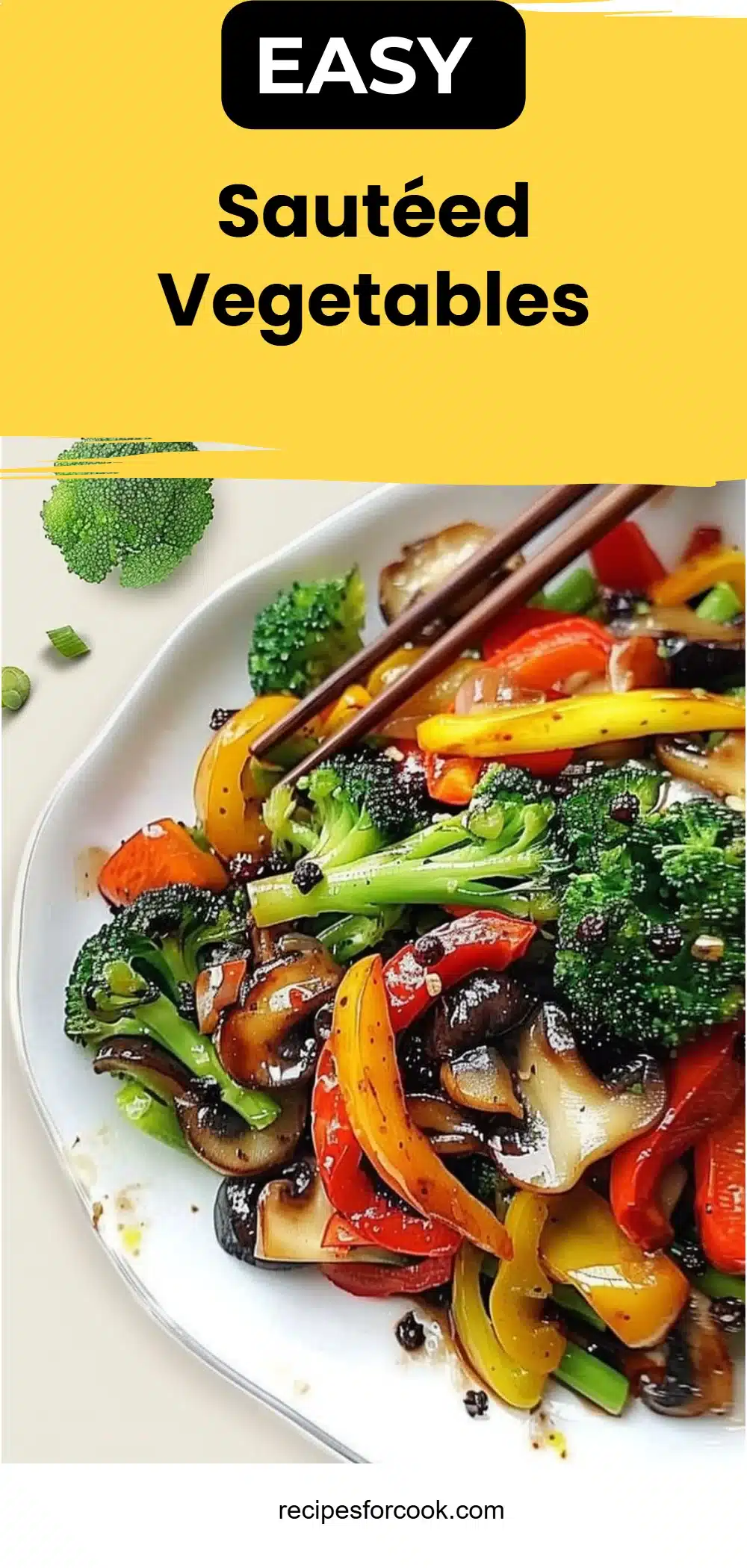
Ingredients:
2 tbsp olive oil (or avocado oil/butter), 2 cloves garlic, minced, 1 small onion, thinly sliced, 1 medium bell pepper, sliced, 1 medium zucchini, sliced into half-moons, 1 cup broccoli florets, 1 medium carrot, julienned or sliced thin, ½ cup snap peas, ½ cup mushrooms, sliced, Salt and black pepper, to taste, 1 tsp lemon juice (optional), 1 tsp balsamic vinegar or soy sauce (optional), Optional toppings: toasted nuts, seeds, fresh herbs, grated Parmesan
Ingredient notes and substitutions
- Oil: Olive oil is the classic choice for flavor and heart-healthy fats; avocado oil is a neutral, high smoke-point option. If you prefer butter for flavor, use unsalted butter and watch the heat to prevent burning. For a dairy-free option, choose olive or avocado oil.
- Garlic & onion: These aromatics create a flavorful base. If you’re avoiding raw onion flavor, use shallot or leek instead.
- Bell pepper & zucchini: Use any color bell pepper for sweetness; yellow or orange peppers are milder. Zucchini holds up well and soaks up flavors; yellow squash is a fine substitute.
- Broccoli & carrots: Broccoli florets and carrots add texture and nutrients. If you have cauliflower, asparagus, or green beans on hand, they work too—just adjust cutting size and initial cooking time.
- Snap peas & mushrooms: Snap peas add crispness, mushrooms add earthiness. If you want more protein, add cubed tofu or sliced smoked turkey breast for a family-friendly swap.
- Acid & sauce: Lemon juice or a splash of balsamic vinegar brightens the dish at the end. Soy sauce adds umami if you like an Asian-leaning profile; use low-sodium soy for less salt.
- Optional toppings: Toasted nuts or seeds (pine nuts, almonds, sunflower seeds) add crunch; fresh herbs like parsley or basil add freshness; a light dusting of Parmesan gives savory richness. For a vegan finish, use nutritional yeast instead of cheese.
Directions:
Preparation
- Wash and dry all vegetables thoroughly; moisture on the surface can cause steaming. Trim broccoli into small florets and slice carrots thin so they cook quickly and evenly.
- Mince the garlic and thinly slice the onion so it softens and caramelizes in the allotted time. Slice the bell pepper and zucchini into even pieces—half-moons for zucchini and long strips for pepper work well.
- Prepare any optional toppings: toast nuts or seeds in a dry skillet for 2–3 minutes until fragrant, and chop fresh herbs.
Cooking
- Heat a large skillet or sauté pan over medium-high heat until hot. Add 2 tablespoons of oil and swirl to coat.
- Add the sliced onion and sauté for 2–3 minutes until it begins to soften. Add minced garlic and cook another 30–45 seconds until fragrant but not browned.
- Add the carrots and broccoli first, since they need a bit more time. Sauté for 3–4 minutes, stirring occasionally to encourage browning.
- Add bell pepper, zucchini, and mushrooms. Continue to cook, stirring every minute or so, until vegetables are crisp-tender, about another 4–5 minutes. If the pan gets too dry, add a teaspoon of water or vegetable broth and cover briefly to finish cooking.
- Stir in the snap peas last, cooking for an additional 1–2 minutes until they’re bright and tender-crisp.
- Season with salt and black pepper to taste. Finish with 1 teaspoon lemon juice or 1 teaspoon balsamic vinegar or soy sauce if using. Toss once more to combine.
- Remove from heat and sprinkle optional toppings—chopped toasted nuts, seeds, fresh herbs, or grated Parmesan—then serve immediately.
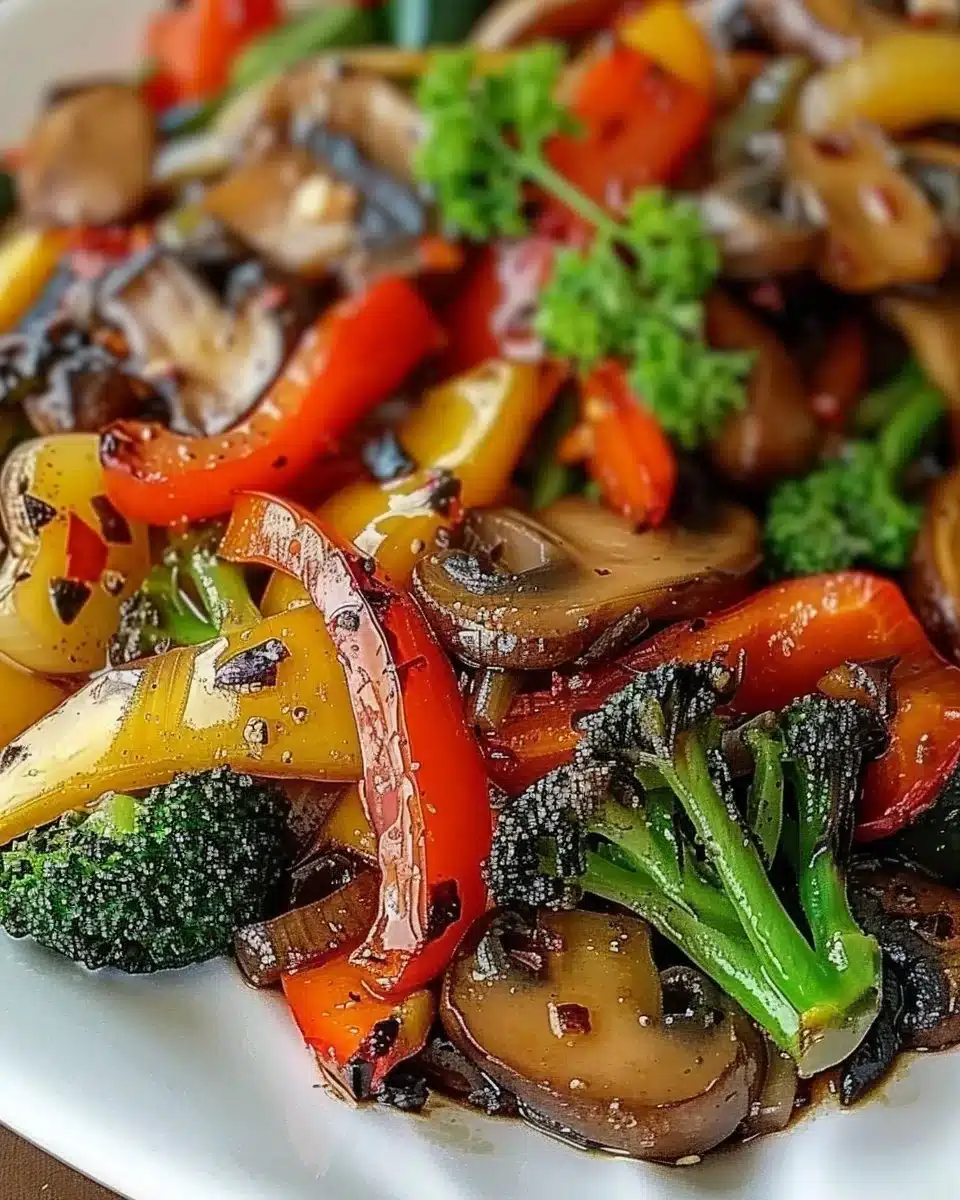
Pro Tips for Success Healthy Sautéed Vegetables
- Prep everything before you heat the pan: Once the pan is hot, cooking moves quickly. Have all vegetables cut, aromatics minced, and toppings ready.
- Don’t overcrowd the pan: If you’re making a larger batch, cook in two smaller batches to maintain high heat and promote browning. Overcrowding causes steaming and softer texture.
- Use medium-high heat and a roomy pan: A wide skillet gives vegetables room to make contact with the hot surface, producing better caramelization.
- Add delicate vegetables last: Peas, thin zucchini slices, and leafy greens can cook in under two minutes, so add them near the end to avoid overcooking.
- Adjust seasoning after finishing: A small pinch of salt before cooking helps draw out moisture; finishing salt after cooking preserves bright flavors. A squeeze of lemon at the end lifts the whole dish.
- Turn leftovers into a new meal: Toss cooled sautéed vegetables into omelets, grain bowls, or pasta for quick reheats and variety.
Flavor Variations Healthy Sautéed Vegetables
- Mediterranean: Add a pinch of dried oregano, a handful of chopped kalamata olives, and finish with crumbled feta or a drizzle of olive oil. Toss in some chopped sun-dried tomatoes for extra tang.
- Asian-inspired: Use sesame oil instead of olive oil (or a teaspoon for finishing), add a splash of low-sodium soy sauce and a few drops of rice vinegar, and top with toasted sesame seeds and sliced scallions.
- Spicy garlicky: Add a pinch of red pepper flakes when sautéing the garlic and finish with a drizzle of chili oil or sriracha for heat. Toasted peanuts or cashews add a Thai-inspired crunch.
- Herby lemon: Double the fresh herbs—chopped parsley, basil, and a little mint—and finish with an extra squeeze of lemon juice and a light grating of lemon zest for a bright, fresh side.
- Umami-rich mushroom-forward: Increase the mushrooms to 1 cup and add a tablespoon of tomato paste or a splash of vegetarian Worcestershire sauce to deepen the savory notes.
Serving Suggestions Healthy Sautéed Vegetables
- As a side: Serve these vegetables beside grilled or roasted proteins like fish, chicken, or tempeh. The colors and textures make an attractive plate.
- Over grains: Spoon warm sautéed vegetables over quinoa, brown rice, farro, or couscous for a fiber-rich, satisfying bowl. Add a dollop of hummus or a scoop of ricotta for creaminess.
- In wraps and sandwiches: Use the vegetables as filling for a pita, flatbread, or sandwich. Add fresh greens and a smear of pesto or tzatziki for a flavorful handheld.
- Tossed with pasta: Mix with cooked pasta, a splash of pasta water, and a little extra olive oil or butter for a quick vegetarian pasta. Top with Parmesan and cracked black pepper.
- For meal prep: Divide into 4 airtight containers over a base of grains for ready-to-go lunches. Add a stored protein portion to complete the meal.
Storage and Freezing Instructions Healthy Sautéed Vegetables
- Refrigerator storage: Allow the sautéed vegetables to cool to room temperature for no more than two hours, then transfer to an airtight container. Store in the refrigerator for up to 4 days. Reheat gently in a skillet over medium heat with a splash of water or stock to refresh texture.
- Freezing: While sautéed vegetables can be frozen, delicate vegetables like zucchini and bell pepper lose some texture after freezing and thawing. To freeze, portion vegetables into freezer-safe containers or heavy-duty bags and freeze for up to 3 months. Thaw overnight in the refrigerator before reheating.
- Best reheating method: Reheat in a skillet over medium heat rather than the microwave to regain some of the original texture and avoid mushiness. Add a teaspoon of oil or a splash of broth and toss until heated through.
- Use-thaw tips: Frozen and thawed vegetables are best used in hot dishes where texture is less critical—soups, stews, casseroles, or mixed into rice and grain bowls.
Nutrition Facts (Per Serving) — approximate
- Serving size: about 1 cup cooked vegetables (recipe yields roughly 4 servings)
- Calories: 130 kcal
- Protein: 3 g
- Carbohydrates: 12 g
- Fat: 8 g
- Fiber: 4 g
- Sodium: 180 mg
Nutrition notes
These values are estimates and will vary depending on exact portions, choice of oil, and any optional toppings or sauces. Using 2 tablespoons of oil for the full recipe and dividing into four servings yields about 7–8 grams of fat per serving from the oil alone. Swapping olive oil for avocado oil won’t significantly change the macros, though using butter would increase saturated fat slightly. Adding Parmesan or soy sauce raises sodium; use low-sodium options or fresh herbs to keep things lighter.
FAQ About Healthy Sautéed Vegetables
What’s the best oil to use for sautéing vegetables?
Choose an oil with a moderate to high smoke point for sautéing. Olive oil is flavorful and commonly used, but avocado oil has a higher smoke point and a neutral flavor that works well at higher heats. For richer flavor, a small amount of butter can be used, but watch the heat to prevent burning. If you prefer a nutty finish, a teaspoon of sesame oil added at the end provides an aromatic lift.
How can I keep vegetables from becoming mushy?
Avoid overcrowding the pan—give pieces room to brown instead of steam. Cook in batches if necessary, and use a hot pan and adequate oil to encourage caramelization. Add sturdy vegetables like carrots and broccoli first and delicate ones like zucchini and snap peas later. Finally, do not over-stir; letting vegetables sit briefly on the hot surface helps form a pleasant sear.
Can I make this recipe ahead of time for meal prep?
Yes, sautéed vegetables hold up well for meal prep. Cool them to room temperature and store in airtight containers in the refrigerator for up to four days. Reheat gently in a skillet with a splash of water or broth to restore texture. For best texture, use the reheated vegetables in bowls, pastas, or as a side rather than as a crisp, fresh salad.
Are these vegetables good for freezing?
You can freeze sautéed vegetables, but some lose texture after thawing—zucchini and bell pepper are especially prone to becoming softer. Freeze only if you plan to reheat them into soups, casseroles, or blended dishes where texture is less important. Portion into freezer-safe containers and use within 3 months. Thaw overnight in the fridge and reheat slowly on the stovetop.
How do I boost protein in this dish for a main course?
Add a cooked protein after or during sautéing: cubed firm tofu, tempeh, cooked chickpeas, or cooked lentils are plant-based options that pair well. For meat eaters, add diced chicken, sliced smoked turkey, or shrimp; cook them first in the pan and set aside, then combine with the vegetables to finish. Alternatively, serve the vegetables over a grain and add a dollop of Greek yogurt or a sprinkling of toasted nuts for extra protein.
What spices and herbs pair best with sautéed vegetables?
For a Mediterranean profile, use oregano, thyme, and rosemary with lemon and parsley. For Asian flavors, try ginger and scallions with a splash of soy sauce and sesame seeds. Paprika and cumin work beautifully if you want a smoky edge, while fresh basil and mint brighten the dish for summer-style plates. Don’t be afraid to toss in a pinch of red pepper flakes for heat.
How can I make this recipe lower in sodium?
Skip added salt during cooking and rely on fresh herbs, lemon juice, or a dash of vinegar to finish for flavor. If you use soy sauce as an umami boost, choose low-sodium soy or dilute regular soy sauce with water. Avoid pre-salted toppings like some toasted nuts and large amounts of cheese; instead, use unsalted nuts and a modest sprinkle of grated Parmesan.
Is there a way to make this oil-free or very low-fat?
To reduce oil, use a nonstick skillet and a light spray of oil or a tablespoon of broth to prevent sticking. You can sauté aromatics in a little water or vegetable broth, adding more by the tablespoon as needed. Be aware that less oil reduces the caramelization and mouthfeel; finishing with a squeeze of lemon and fresh herbs helps provide satisfying flavor.
Final Thoughts
Healthy Sautéed Vegetables are a practical, nourishing, and adaptable recipe that fits many diets and occasions. With simple techniques—hot pan, uniform cuts, and staged cooking—you’ll get flavorful, brightly colored results every time. Keep the pantry-savvy habit of adding a touch of acid and texture at the end: lemon, vinegar, toasted nuts, or fresh herbs transform simple vegetables into a standout dish. Whether you need a quick weeknight side, a base for bowls and pasta, or a foundation for inventive meal prep, this recipe makes it easy to eat more plants without sacrificing taste.

Healthy Sautéed Vegetables
- Total Time: 30 minutes
- Yield: 4 servings 1x
- Diet: Vegetarian
Description
A vibrant collection of sautéed vegetables that’s quick to prepare, packed with nutrients, and perfect for busy weeknights or meal prep.
Ingredients
- 2 tbsp olive oil (or avocado oil/butter)
- 2 cloves garlic, minced
- 1 small onion, thinly sliced
- 1 medium bell pepper, sliced
- 1 medium zucchini, sliced into half-moons
- 1 cup broccoli florets
- 1 medium carrot, julienned or sliced thin
- ½ cup snap peas
- ½ cup mushrooms, sliced
- Salt and black pepper, to taste
- 1 tsp lemon juice (optional)
- 1 tsp balsamic vinegar or soy sauce (optional)
- Optional toppings: toasted nuts, seeds, fresh herbs, grated Parmesan
Instructions
- Wash and prepare all vegetables.
- Heat a large skillet over medium-high heat and add 2 tablespoons of oil.
- Add sliced onion and sauté for 2-3 minutes until softened, then add minced garlic and sauté for another 30-45 seconds until fragrant.
- Add carrots and broccoli first, sauté for 3-4 minutes.
- Add bell pepper, zucchini, and mushrooms, cooking until crisp-tender, about 4-5 minutes.
- Stir in snap peas last and cook for an additional 1-2 minutes.
- Season with salt and black pepper. Finish with lemon juice or balsamic vinegar, if using.
- Remove from heat and sprinkle with optional toppings before serving.
Notes
This dish is versatile; feel free to substitute vegetables based on availability. Best enjoyed fresh but can be stored in the fridge for up to 4 days.
- Prep Time: 15 minutes
- Cook Time: 15 minutes
- Category: Side Dish
- Method: Sautéing
- Cuisine: Mediterranean
Nutrition
- Serving Size: 1 cup cooked vegetables
- Calories: 130
- Sugar: 3g
- Sodium: 180mg
- Fat: 8g
- Saturated Fat: 1g
- Unsaturated Fat: 7g
- Trans Fat: 0g
- Carbohydrates: 12g
- Fiber: 4g
- Protein: 3g
- Cholesterol: 0mg