Apricot jam is a sun-bright preserve that captures the sweet-tart flavor of ripe apricots in a spoonable form you can enjoy year-round. This friendly, straightforward recipe gives you a reliable way to make homemade apricot jam with just fresh apricots, sugar, and lemon juice, plus tips to customize, store, and serve the final jar.
why make this recipe
Making apricot jam at home is rewarding and simple. You control the ingredients, so there are no unfamiliar additives and you can dial the sweetness to suit your taste. Fresh apricots have a delicate floral aroma and a natural acidity that transforms into a lively jam when cooked down with sugar and brightened with lemon juice.
Homemade apricot jam also stretches seasonal fruit into months of enjoyment. One season of fruit can become several months of toast-topper breakfasts, dessert components, glazes for roast meats, and thoughtful homemade gifts. If you enjoy exploring different preserves, pairing this batch with a savory dinner or a tropical-chili twist on jam can be inspiring — for a contrast between sweet preserves and hearty meals, try pairing a jar alongside a classic Mardi Gras jambalaya for an unexpected touch of fruit-sweet balance.
how to make Apricot Jam
This section walks through a clear, approachable process for transforming fresh apricots into jam. Read the full Directions below, then use the Pro Tips to sharpen technique and Flavor Variations to customize your batch.
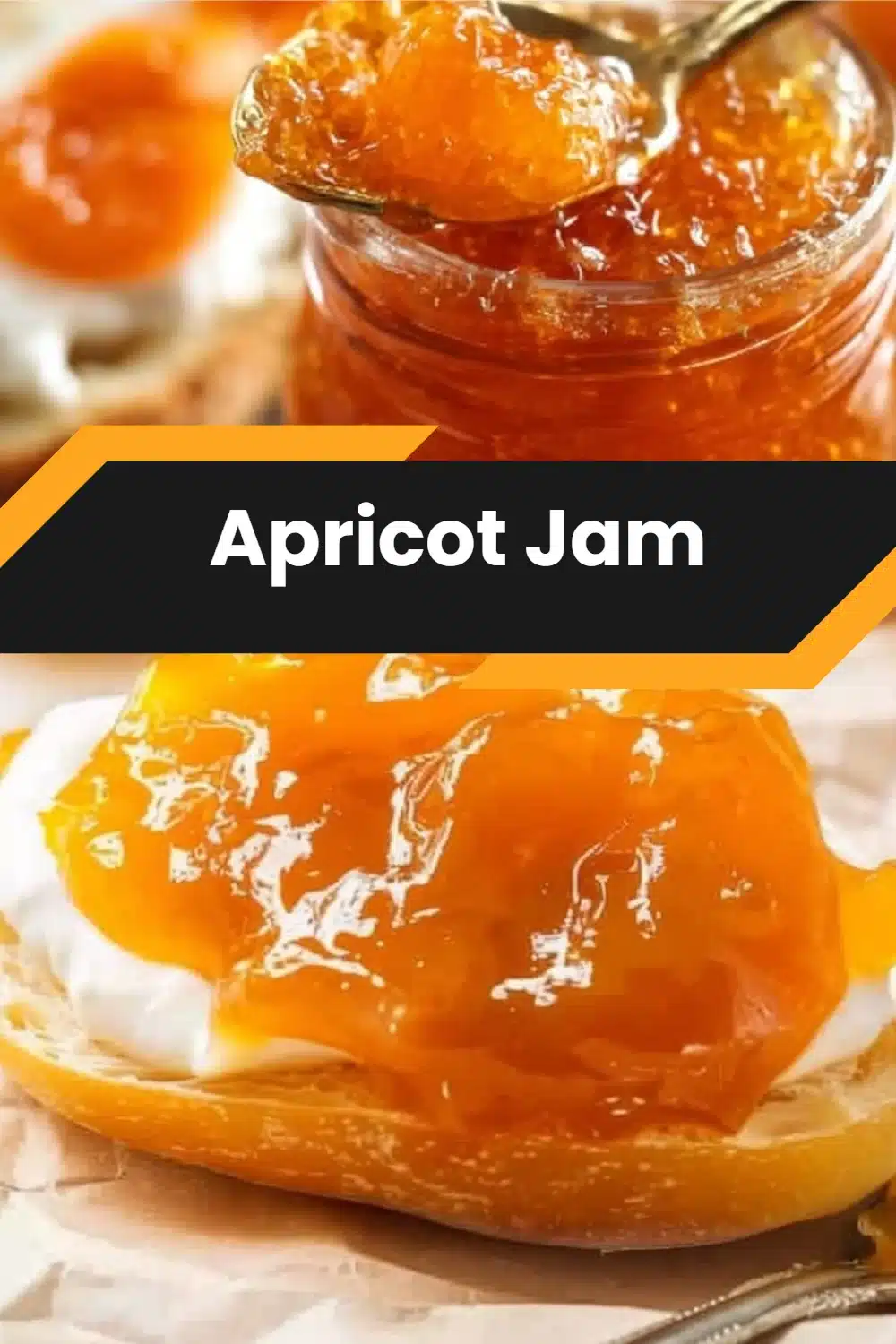
Ingredients :
fresh apricots, sugar, lemon juice
Directions :
- Wash and pit the apricots, then chop them into small pieces.
- In a large pot, combine the chopped apricots, sugar, and lemon juice.
- Cook over medium heat, stirring frequently, until the mixture comes to a boil.
- Reduce heat and let it simmer for about 30-40 minutes, stirring occasionally, until it thickens to your desired consistency.
- Pour the hot jam into sterilized jars and seal. Let cool before storing in the refrigerator.
Below are expanded steps and helpful detail that make these simple directions foolproof.
Preparing the fruit
- Choose ripe but firm apricots. Overripe fruit can make jam taste overly fermented or reduce shelf life. Look for apricots that give slightly to pressure and have a fragrant aroma.
- Wash the apricots well under cool water to remove any dust or residue. Pat dry with a clean towel.
- Pit and chop: halve each apricot, remove the pit, and chop into small pieces. Smaller pieces break down faster while cooking, giving a more uniform jam texture.
Mixing and cooking
- Combine the chopped apricots with sugar and lemon juice in a large, heavy-bottomed pot. The heavy bottom helps distribute heat evenly and prevents scorching.
- Stir to coat the fruit with sugar; let the mixture sit for 10–15 minutes if you have time. This macerates the apricots and extracts juices, shortening the cooking time.
- Bring the mixture to a steady boil over medium heat, stirring frequently to prevent sticking. As it boils, active bubbling will break down the fruit.
- Simmer 30–40 minutes, stirring occasionally. Skim any foam that forms on top for a clearer preserve if you prefer. The mixture will go from loose and liquid to noticeably thicker and glossy.
Testing for doneness
- There are a few reliable tests: a chilled spoon test (place a small spoonful on a chilled plate — if it wrinkles when pushed, it’s set) or using a candy thermometer (220°F / 104°C is the gel point for most jams at sea level).
- Remember that jam thickens as it cools, so it’s okay to stop a touch short of your target thickness on the stove.
Jarring and cooling
- Sterilize jars and lids by washing them in hot, soapy water and keeping them in a simmering water bath until you’re ready. Hot jam poured into hot jars reduces the risk of cracking and improves sealing.
- Carefully ladle the hot jam into sterilized jars, leaving about 1/4 inch headspace. Wipe jar rims clean, apply lids, and seal.
- Allow jars to cool undisturbed. If they seal properly, the lids will curve slightly inward and will not pop when pressed.
Safety note
- For long-term shelf stability, process filled jars in a boiling water bath for 10 minutes (adjust for altitude). If you plan to refrigerate and use within a few weeks, simple sterilized canned jars without water-bath processing are acceptable for short-term storage.
Pro Tips for Success Apricot Jam
- Choose the right fruit: Use ripe apricots with firm flesh. If they’re overly soft, the jam can become too runny or ferment during storage.
- Mind the sugar: Sugar is important for texture and preservation. If you reduce sugar, consider using a low-sugar pectin or expect a softer set and shorter shelf life.
- Lemon juice matters: The acidity from lemon juice helps the jam set and keeps the color bright. It also balances the sweetness.
- Stir frequently as it boils: Apricot jam can scorch easily, so scrape the pot bottom and sides often to prevent burning.
- Use a heavy pot: A wide, heavy-bottomed pot increases evaporation and creates a fuller, deeper flavor while reducing the cooking time.
- Test on a chilled plate: For the most reliable indicator of doneness, drop a teaspoon of jam onto a chilled plate and push it gently — if it wrinkles, it’s ready.
Flavor Variations Apricot Jam
- Honey and cardamom: Replace part of the sugar with honey and add a pinch of ground cardamom near the end of cooking. The floral honey and warm spice highlight the apricot’s natural aroma.
- Ginger and vanilla: Stir in a teaspoon of vanilla extract and a tablespoon of finely minced fresh ginger during the last 5–10 minutes of simmering for a warming, aromatic jam.
- Citrus boost: Add the zest of one lemon or orange along with the juice for extra brightness and fragrant oils that lift the jam.
- Spicy-sweet: For a savory-sweet spread, fold in a small pinch of red pepper flakes or a spoonful of chopped fresh chili. If you want a tropical-spicy direction, this pairs well with recipes like a mango chili pepper tropical jam for inspiration on balancing fruit with heat.
- Almond or amaretti: Stir in a few drops of almond extract or a tablespoon of crushed amaretti cookies for nutty undertones that complement the apricot.
Serving Suggestions Apricot Jam
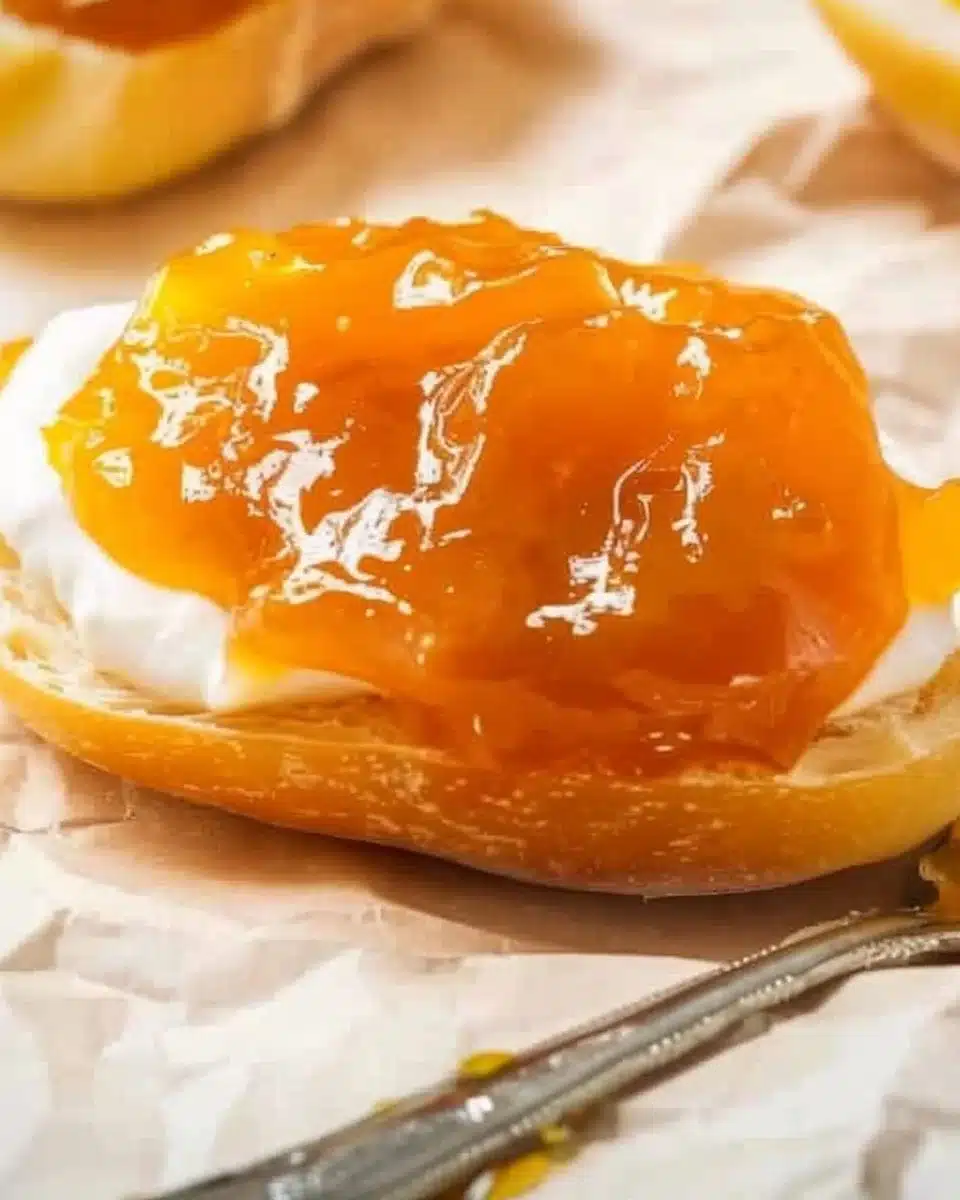
Apricot jam is versatile and elevates both sweet and savory dishes. Serve it simply on toast, croissants, or English muffins for a bright breakfast. Spoon it over vanilla ice cream or stirred into plain yogurt with granola for an easy dessert parfait.
Use it as a glaze for roasted chicken or pork by brushing a thin layer over meat for the last 10 minutes of cooking. Apricot jam also works well as a component in a cheese board—pair with sharp cheddar, mild goat cheese, or creamy brie. For sandwiches, spread a thin layer on turkey or ham sandwiches to add sweetness and moisture.
Try it in baking: swirl apricot jam into muffin batter or use it as a filling for thumbprint cookies and tarts. It’s particularly beautiful in layered desserts where its clear golden color adds visual appeal.
Storage and Freezing Instructions Apricot Jam
Short-term storage
- Refrigerate opened jars and use within 3–4 weeks for best quality. Keep the rim clean and always use a clean spoon when scooping jam to avoid introducing contaminants.
Room-temperature shelf life
- If properly canned and processed in a boiling-water canner for the recommended time, unopened jars can be stored in a cool, dark place for up to one year. Always check lids for a proper seal and inspect the jam for signs of spoilage before using.
Freezing
- Apricot jam freezes well. Fill freezer-safe containers or jars, leaving a bit of headspace for expansion, and freeze for up to one year. Thaw in the refrigerator overnight before using. Frozen jam may have a slightly different texture but retains flavor.
Tips for long life
- Keep jars away from direct sunlight to preserve color and flavor.
- Label jars with the production date so you rotate older jars first.
- If you notice off-odors, bubbling, or mold, discard the jar immediately.
Nutrition Facts (Per Serving)
Serving: 1 tablespoon (about 20 g)
- Calories: 50
- Protein: 0.1 g
- Carbohydrates: 13 g
- Fat: 0 g
- Fiber: 0.5 g
- Sodium: 1 mg
Note: Nutrition is an estimate and will vary based on the exact fruit size, sugar amount, and portioning. If you reduce sugar or use alternative sweeteners, macronutrients and calories will change accordingly.
FAQ About Apricot Jam
What is the best ratio of fruit to sugar for apricot jam?
A common, reliable ratio is roughly 1:1 by weight (equal weights of fruit and sugar), which provides the sugar needed for preservation and a good set. If you prefer a less-sweet jam, you can reduce sugar to 3/4 cup per cup of fruit, but the texture will be softer and the jam may need refrigeration and sooner use. For very low-sugar or no-sugar jams, use specialized pectins designed for low-sugar recipes to achieve a stable set.
Can I make apricot jam without pectin?
Yes — apricots contain some natural pectin and, combined with sufficient sugar and acid (lemon juice), you can reach a set without added pectin. Cooking longer helps concentrate the mixture. However, natural-set jams require more attention to testing doneness because results vary with fruit ripeness. If you want a quicker, more predictable gel, add commercial pectin according to package instructions.
How do I sterilize jars properly for canning?
Wash jars, lids, and bands in hot soapy water and rinse well. Keep jars hot by placing them in simmering water or in a warm oven while you prepare the jam. Lids should be kept in hot, not boiling water to preserve the sealing compound. After filling hot jars with hot jam, wipe rims, apply lids and bands, and process in a boiling water bath for the recommended time (typically 10 minutes, adjusted for altitude). Proper sterilization and processing reduce the risk of spoilage for shelf storage.
How can I tell when apricot jam is done?
Try the chilled plate test: place a small plate in the freezer before you start. Drop a teaspoon of hot jam onto the chilled plate; after a minute, push the sample with your finger — if it wrinkles gently, it’s set. Alternatively, use a candy thermometer and look for 220°F (104°C), the typical gel point for jams at sea level. Keep in mind that altitude and sugar content will change the exact temperature for setting.
Can I use frozen apricots to make jam?
Yes, frozen apricots work well because they’re often picked at peak ripeness. Thaw and drain them slightly before cooking. You may need to reduce cooking time somewhat because frozen fruit releases juices quickly. Because frozen fruit can sometimes be slightly watery, concentrate the mixture as it cooks by increasing simmering time to reach the desired thickness.
How can I reduce sugar but still have a safe jam?
To reduce sugar and keep safety, use a commercial low- or no-sugar pectin that’s formulated to gel with less sugar. Follow the pectin brand’s directions, which often include adjustments to the cooking method and lemon juice. Remember that sugar also inhibits microbial growth, so reduced-sugar jams may have a shorter shelf life and should be refrigerated or frozen unless properly processed and canned with a tested low-sugar canning method.
Final Thoughts
Apricot jam is an approachable preserve that showcases summer fruit in a jar. With just apricots, sugar, and lemon juice, you can create a bright, versatile spread that enhances breakfasts, desserts, and savory dishes. The process is straightforward: prepare the fruit, simmer until thickened, and jar properly to store. Small tweaks — like a touch of spice, a swirl of citrus, or a low-sugar pectin — let you shape the jam to your tastes.
If you’re new to jam-making, start small and experiment with flavor variations and set-testing methods until you find the texture and sweetness you prefer. Homemade apricot jam is as much about enjoying the sensory rewards as it is about preserving fruit. Keep notes on each batch so your next jar is even better. Enjoy the golden rewards of your effort — they make lovely gifts and delicious additions to everyday meals.
Print
Homemade Apricot Jam
- Total Time: 55 minutes
- Yield: 4 cups (about 64 servings of 1 tablespoon each) 1x
- Diet: Vegetarian
Description
A delightful and straightforward recipe for making homemade apricot jam that captures the sweet-tart flavor of ripe apricots.
Ingredients
- 2 lbs fresh apricots
- 2 lbs sugar
- 1/4 cup lemon juice
Instructions
- Wash and pit the apricots, then chop them into small pieces.
- Combine the chopped apricots, sugar, and lemon juice in a large pot.
- Cook over medium heat, stirring frequently, until the mixture comes to a boil.
- Reduce heat and let it simmer for about 30-40 minutes, stirring occasionally, until it thickens to your desired consistency.
- Pour the hot jam into sterilized jars and seal. Let cool before storing in the refrigerator.
Notes
For long-term shelf stability, process filled jars in a boiling water bath for 10 minutes. For a unique twist, try adding honey or ginger to customize flavors.
- Prep Time: 15 minutes
- Cook Time: 40 minutes
- Category: Preserve
- Method: Canning
- Cuisine: American
Nutrition
- Serving Size: 1 tablespoon
- Calories: 50
- Sugar: 13g
- Sodium: 1mg
- Fat: 0g
- Saturated Fat: 0g
- Unsaturated Fat: 0g
- Trans Fat: 0g
- Carbohydrates: 13g
- Fiber: 0.5g
- Protein: 0.1g
- Cholesterol: 0mg